Paintless Dent Repair vs Traditional Auto Body Repair: Which Is Better for Texas Drivers?
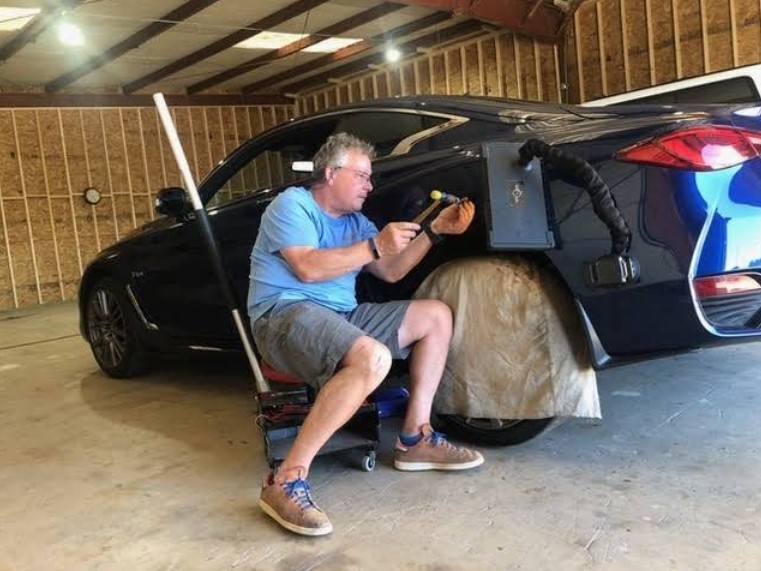
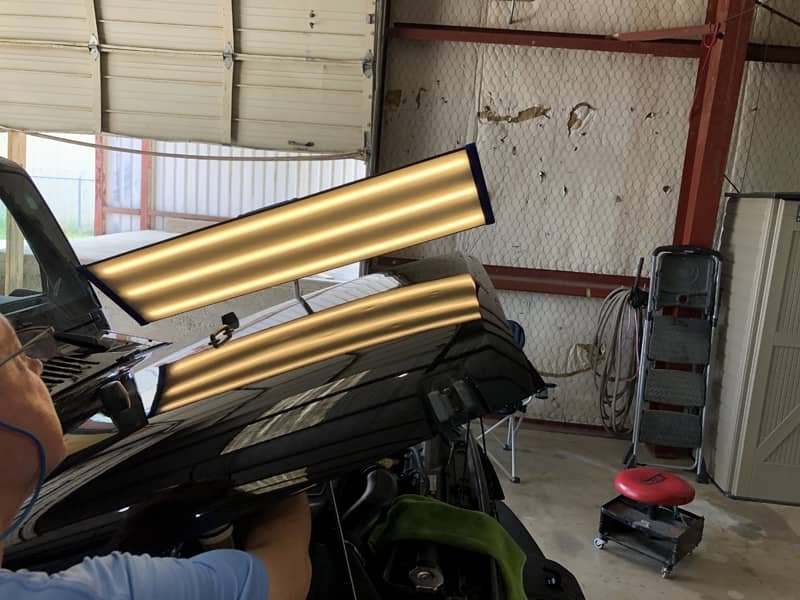
Paintless dent repair vs traditional auto body repair in Texas is one of the most common questions drivers ask after hailstorms, parking lot accidents, and minor vehicle damage. From sudden Texas hailstorms to crowded shopping center parking lots in Boerne and throughout Texas Hill Country, dents and dings are a frustrating reality for many vehicle owners. When damage happens, choosing the right repair method can affect your repair costs, turnaround time, vehicle resale value, and overall appearance. While both paintless dent repair and traditional auto body repair have their advantages, the right option often depends on the severity of the damage. In this guide, we’ll compare both repair methods so Texas drivers can better understand which solution makes the most sense for their vehicle. What Is Paintless Dent Repair (PDR)? Paintless dent repair, also known as PDR, is a specialized dent removal process that restores damaged metal panels without sanding, body fillers, or repainting. Skilled technicians use professional tools to gently massage dents from behind the panel until the surface returns to its original shape. Unlike traditional body shop methods, paintless dent repair preserves the original factory finish of your vehicle. This makes it one of the most popular solutions for hail damage repair Texas drivers experience every year. Common Types of Damage PDR Can Fix Paintless dent removal works best for: Hail damage Door dings Shopping cart dents Minor creases Small collision dents Minor auto body damage As long as the paint remains intact and the metal is not severely stretched, PDR is often an excellent repair option. Benefits of Paintless Dent Repair Many drivers throughout Texas Hill Country prefer paintless dent repair because it offers several important benefits: Faster repair times Lower repair costs No repainting required Preserves factory paint Eco-friendly process Helps maintain vehicle resale value Because there’s no need for sanding, paint matching, or body fillers, repairs can often be completed much faster than traditional collision repair methods. What Is Traditional Auto Body Repair? Traditional auto body repair is the conventional process used to repair severe dents, structural damage, and areas where the paint surface has been cracked or damaged. This process may involve: Sanding damaged panels Applying body filler Repainting sections of the vehicle Replacing damaged parts Structural collision repair Traditional repairs are highly effective for serious damage, but they generally require more labor, more materials, and longer turnaround times. When Traditional Body Shop Repair Is Necessary Traditional auto body repair may be necessary if your vehicle has: Deep dents with sharp creases Torn or stretched metal Cracked paint Major collision damage Structural frame damage In these situations, repainting and replacement work may be required to restore the vehicle safely and properly. Pros and Cons of Traditional Auto Body Repair Pros Repairs severe collision damage Restores structural integrity Handles damaged paint and panel replacement Cons Longer repair timelines Higher labor and paint costs Paint matching challenges Loss of original factory finish For many vehicle owners, preserving the original paint is important because factory finishes are often more durable and help maintain resale value. Paintless Dent Repair vs Traditional Auto Body Repair in Texas When comparing paintless dent repair vs traditional auto body repair in Texas, several key differences stand out. Quick Comparison Table Feature Paintless Dent Repair Traditional Auto Body Repair Paint Preservation Yes No Repainting Required No Usually Repair Time Faster Longer Cost More Affordable More Expensive Best For Minor dents & hail damage Severe collision damage Factory Finish Maintained Yes No Insurance-Friendly Often Yes This comparison helps many Texas drivers quickly determine which repair method fits their situation best. Cost Comparison One of the biggest reasons drivers choose paintless dent repair is affordability. Since PDR avoids repainting, replacement parts, and extensive labor, the overall repair costs are often lower. Traditional auto body repair may involve: Paint materials Primers Sanding Replacement panels Extended labor hours For hail damage and smaller dents, PDR is usually the more cost-effective option. Repair Time Comparison Texas drivers often rely heavily on their vehicles for commuting, travel, and work. After a hailstorm or parking lot dent, getting your car repaired quickly matters. Paintless dent repair can often be completed: Within a few hours In 1–2 days for larger hail claims Traditional body shop repairs may take: Several days One or more weeks Additional time for paint curing Faster turnaround times make PDR especially appealing for busy Texas drivers. Paint Preservation and Resale Value Texas heat and sun exposure can make paint matching difficult over time. One of the biggest advantages of PDR is that it protects the original factory finish. This is especially important for: Newer vehicles Luxury cars Leased vehicles High resale value vehicles Maintaining the original paint can help protect long-term vehicle value while avoiding noticeable paint mismatch issues. Insurance and Hail Damage Repairs Texas experiences frequent hailstorms, especially throughout Texas Hill Country. After severe storms, many drivers search for insurance-approved dent repair solutions. Fortunately, insurance companies often prefer paintless dent repair for eligible hail damage because: It’s efficient It’s cost-effective It preserves the factory finish For many hail claims, PDR simplifies the repair process while reducing downtime. Which Repair Method Is Better for Texas Drivers? In many situations, paintless dent repair is the preferred choice for Texas drivers dealing with minor dents, door dings, or hail damage. Why PDR Is Often the Better Option Paintless dent repair is ideal because it: Saves money Preserves factory paint Reduces repair time Maintains resale value Works extremely well for Texas hail damage For parking lot dents, shopping cart dings, and hail damage, PDR provides excellent results without repainting the vehicle. When Traditional Repair Makes More Sense Traditional repair methods are still necessary for: Severe accidents Structural damage Cracked paint Torn metal Deep collision dents In these situations, conventional body shop repair remains the safest and most effective solution. Questions to Ask Before Choosing a Repair Method Before scheduling repairs, Texas drivers should ask: Is the paint damaged? How deep is the dent? Will insurance cover the repair? How